Tag Archive for: culture

Youth Orchestra of St. Luke’s Spring Recital Brings Together Young Musicians and Families in Hell’s Kitchen

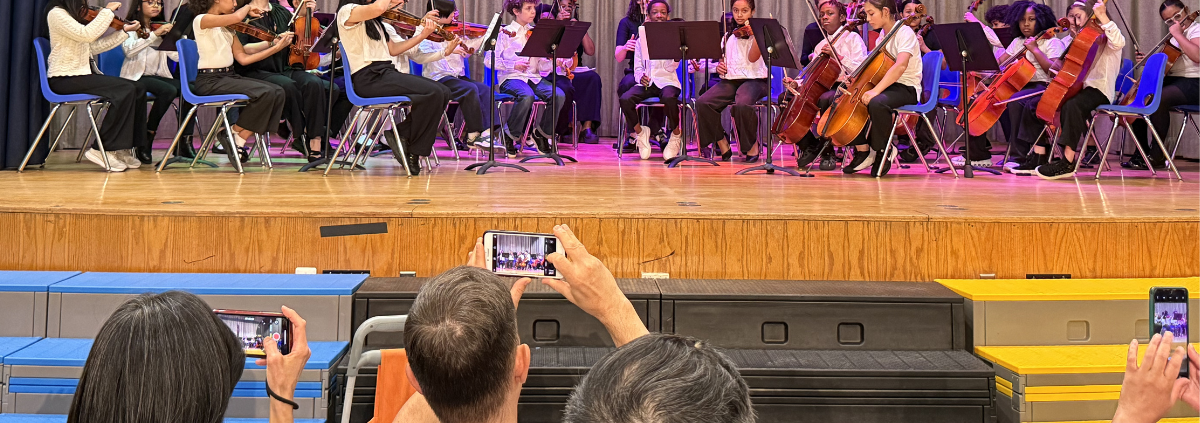
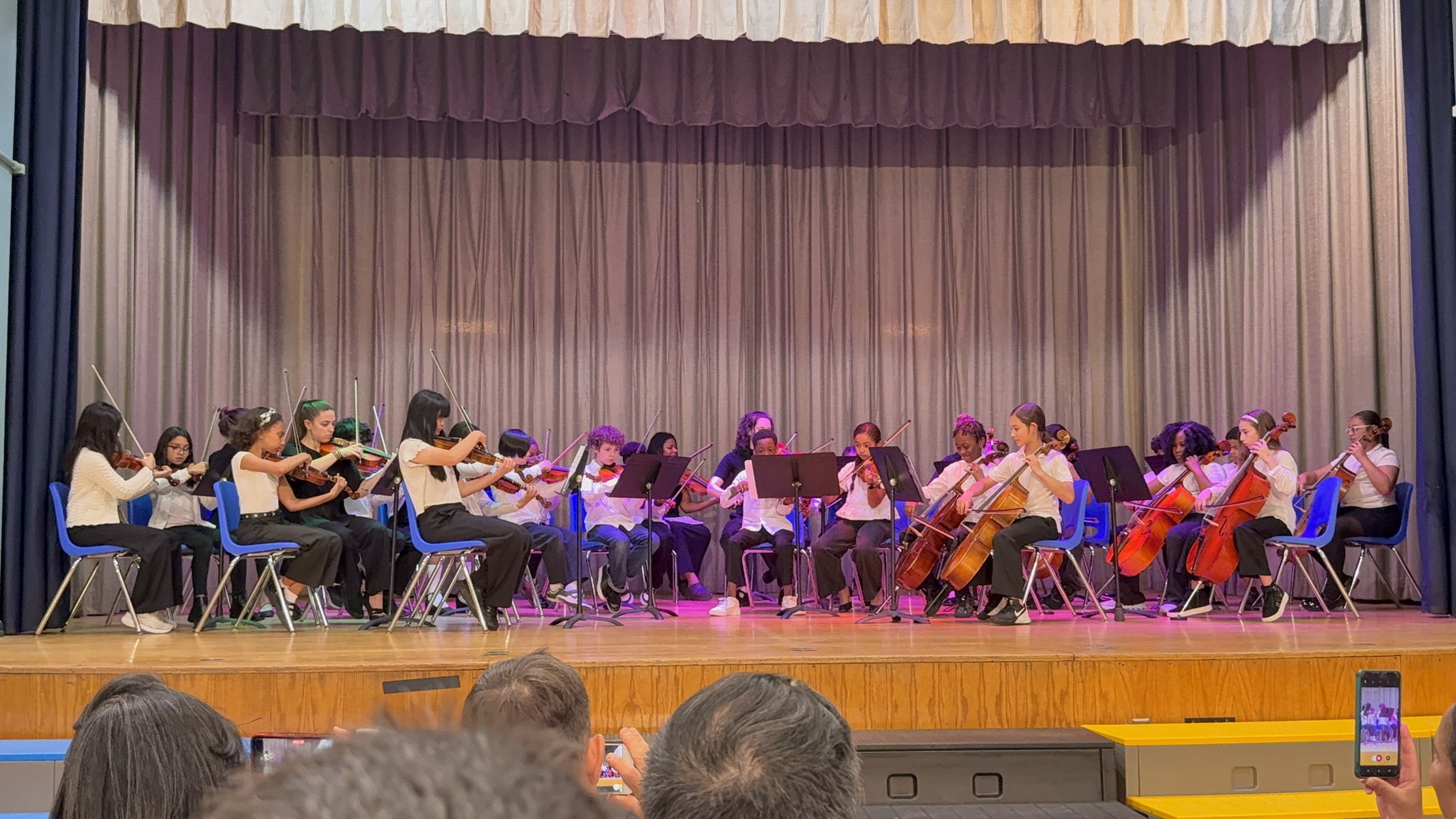
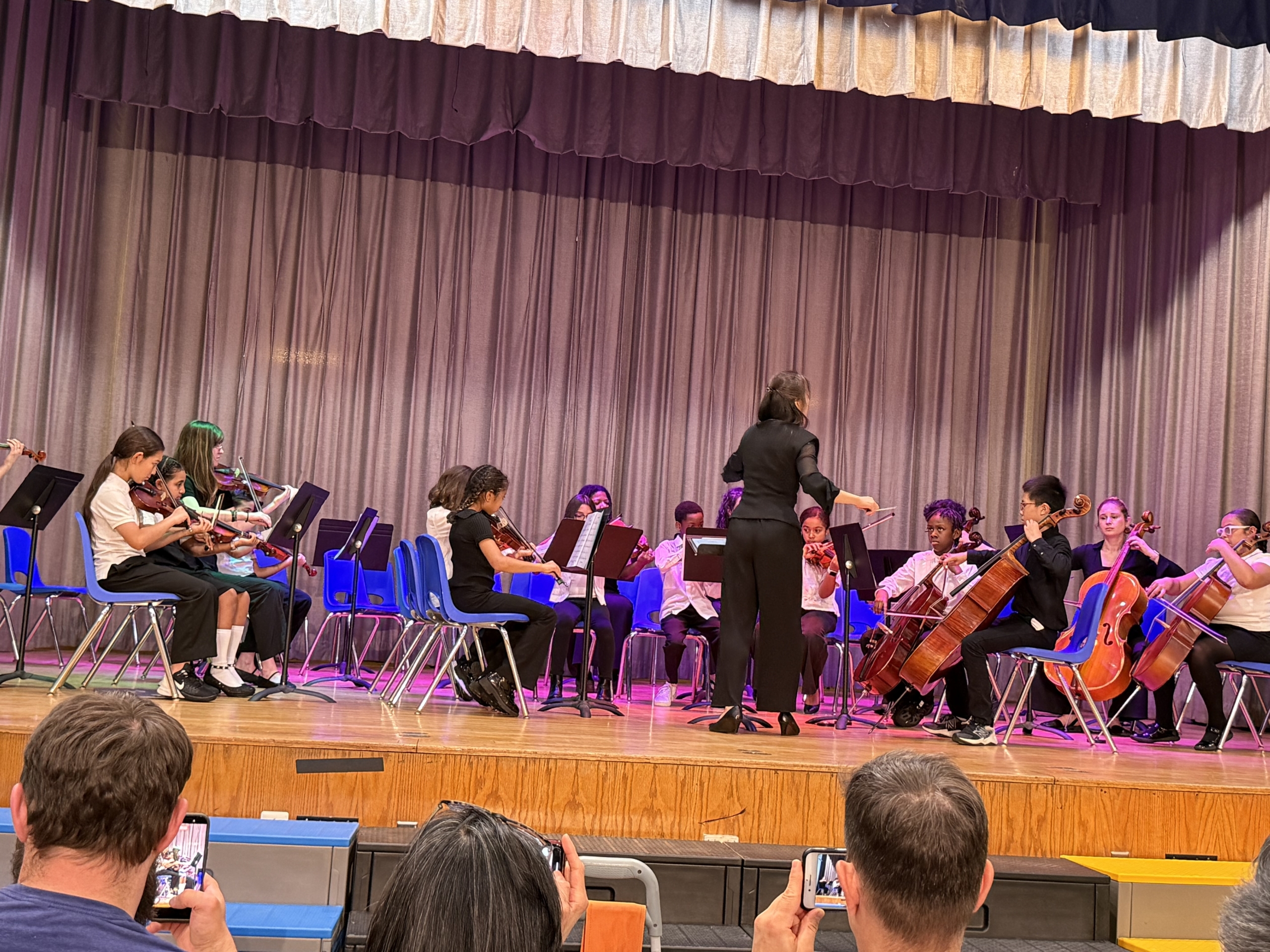
On Saturday, May 30, families, friends, educators, and community members filled the auditorium of P.S. 111 Adolph S. Ochs School in Hell’s Kitchen for the Youth Orchestra of St. Luke’s Spring Recital, an annual celebration showcasing the work of young musicians who have spent the school year learning, practicing, and growing through music.
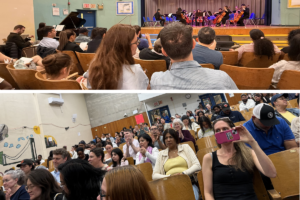
The auditorium was packed. Parents held up phones to capture every moment, younger siblings watched attentively from their seats, and proud family members erupted into applause after each performance. The atmosphere was both festive and emotional, reflecting the significance of a milestone that represented months of dedication from students, instructors, and families alike.

The recital brought together students from several of the program’s partner schools, including P.S. 111, P.S. 51, and P.S. 212. Children at different stages of their musical journey took the stage throughout the afternoon, from beginners completing their first year of instruction to more experienced performers who have continued developing their skills through advanced ensemble training.
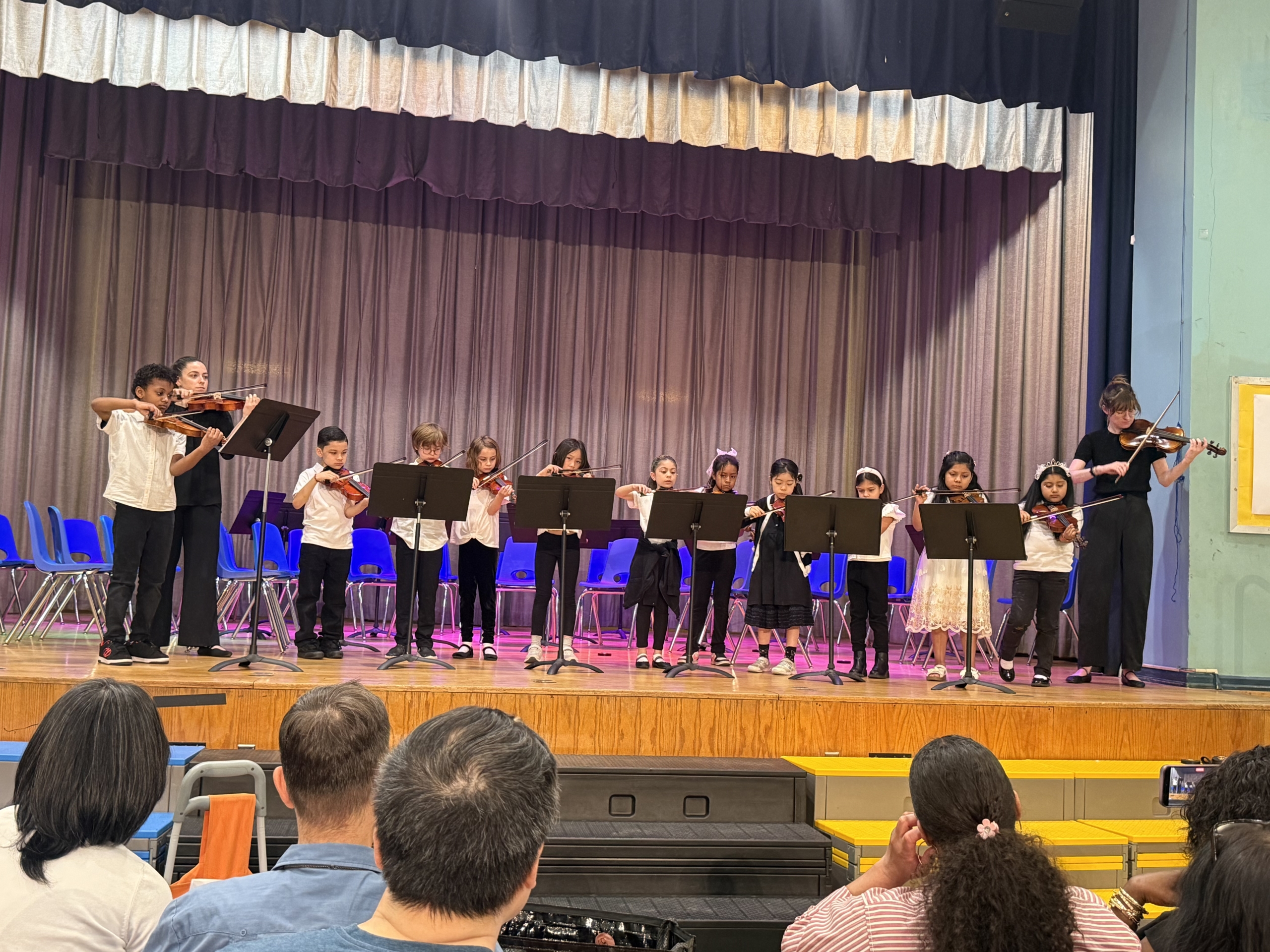
The musical selections reflected both the diversity of the students and the broad vision of the program. Audiences were treated to performances ranging from Beethoven’s Ode to Joy and Pachelbel’s Canon in D to Joe Hisaishi’s beloved Merry-Go-Round of Life, Frank Sinatra’s Time After Time, and Kendrick Lamar’s All the Stars. The repertoire moved comfortably between classical standards and contemporary favorites, allowing students to explore different musical traditions while keeping the experience engaging and accessible.
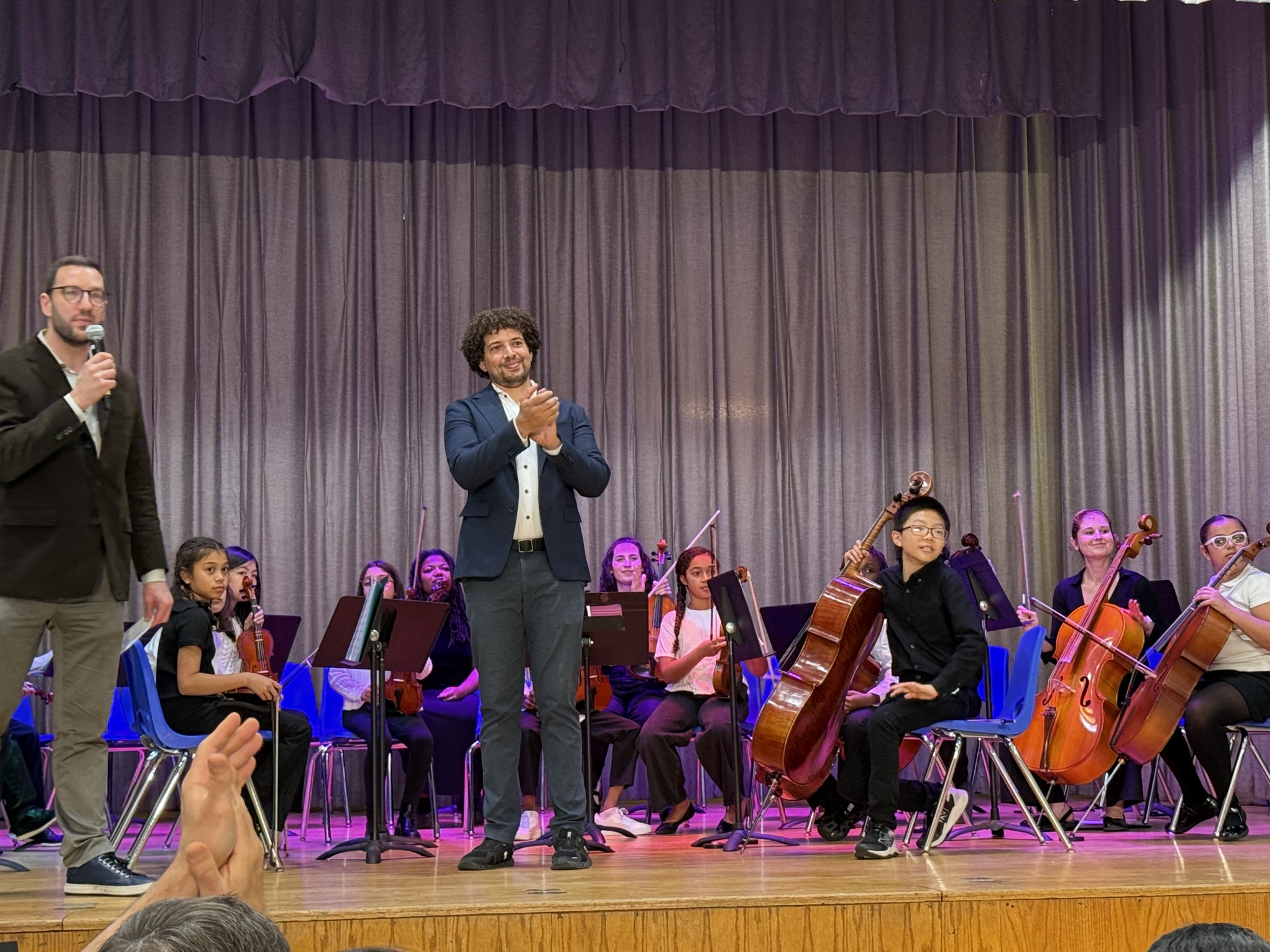
Opening the event, Andrew Roitstein, Director of Education and Community Engagement for Orchestra of St. Luke’s, welcomed families and highlighted the mission behind the Youth Orchestra of St. Luke’s. For nearly fifteen years, the organization has partnered with schools in Hell’s Kitchen to provide free instrumental music education to children who might not otherwise have access to such opportunities.
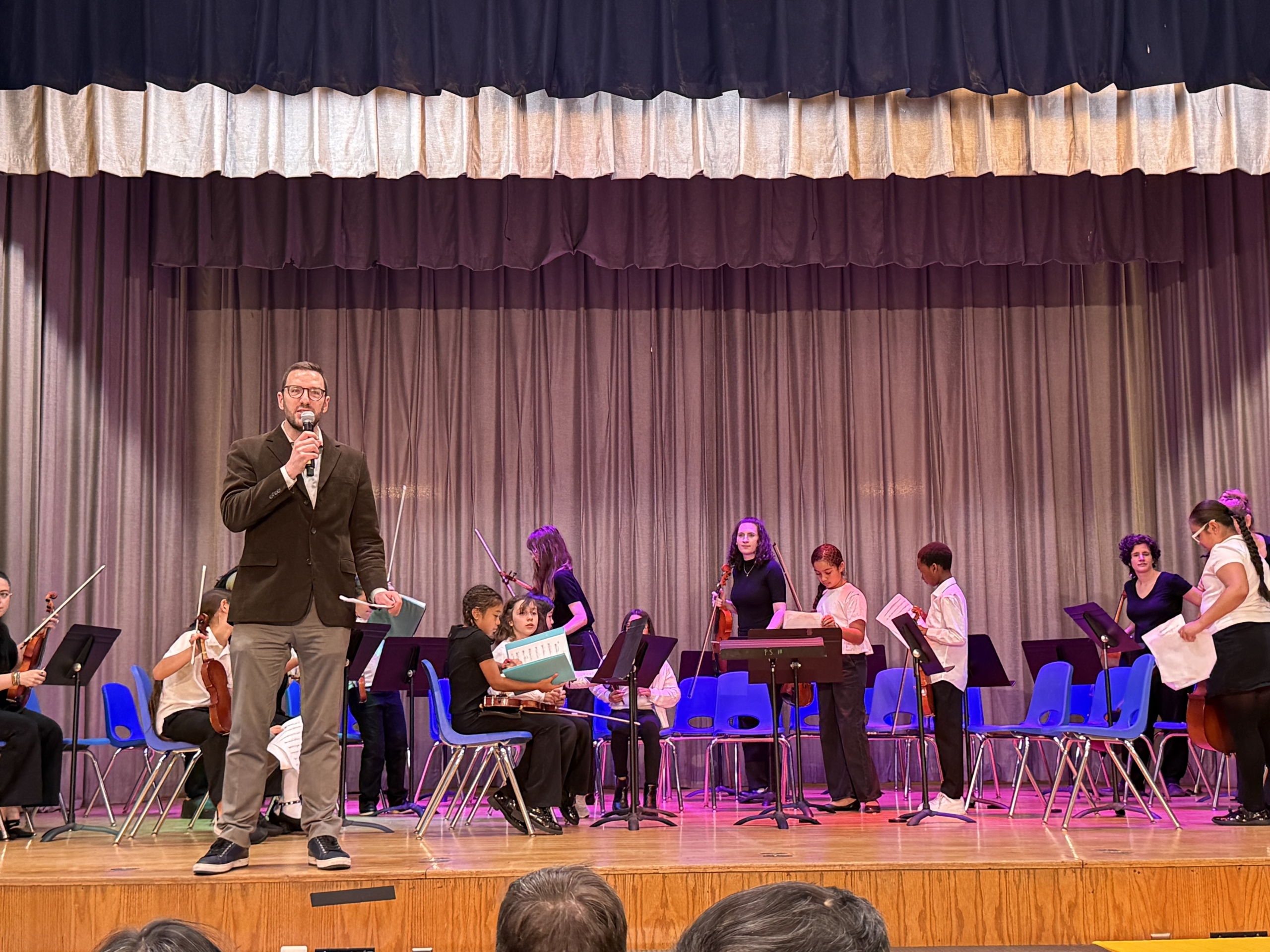
The program introduces students to violin, viola, and cello while emphasizing collaboration, performance, creativity, and personal growth. Beyond weekly lessons, participating families are also offered opportunities to attend Orchestra of St. Luke’s performances, including concerts at Carnegie Hall, free of charge, helping connect young musicians and their families to New York City’s vibrant cultural life.

Following the recital, Roitstein reflected on what makes these performances particularly meaningful. Unlike many areas of school life that are measured through grades, tests, and benchmarks, music allows children to progress at their own pace. The recital, he explained, is a moment when families and instructors can see the results of the effort, discipline, and confidence students have developed throughout the year.That growth was evident throughout the afternoon.
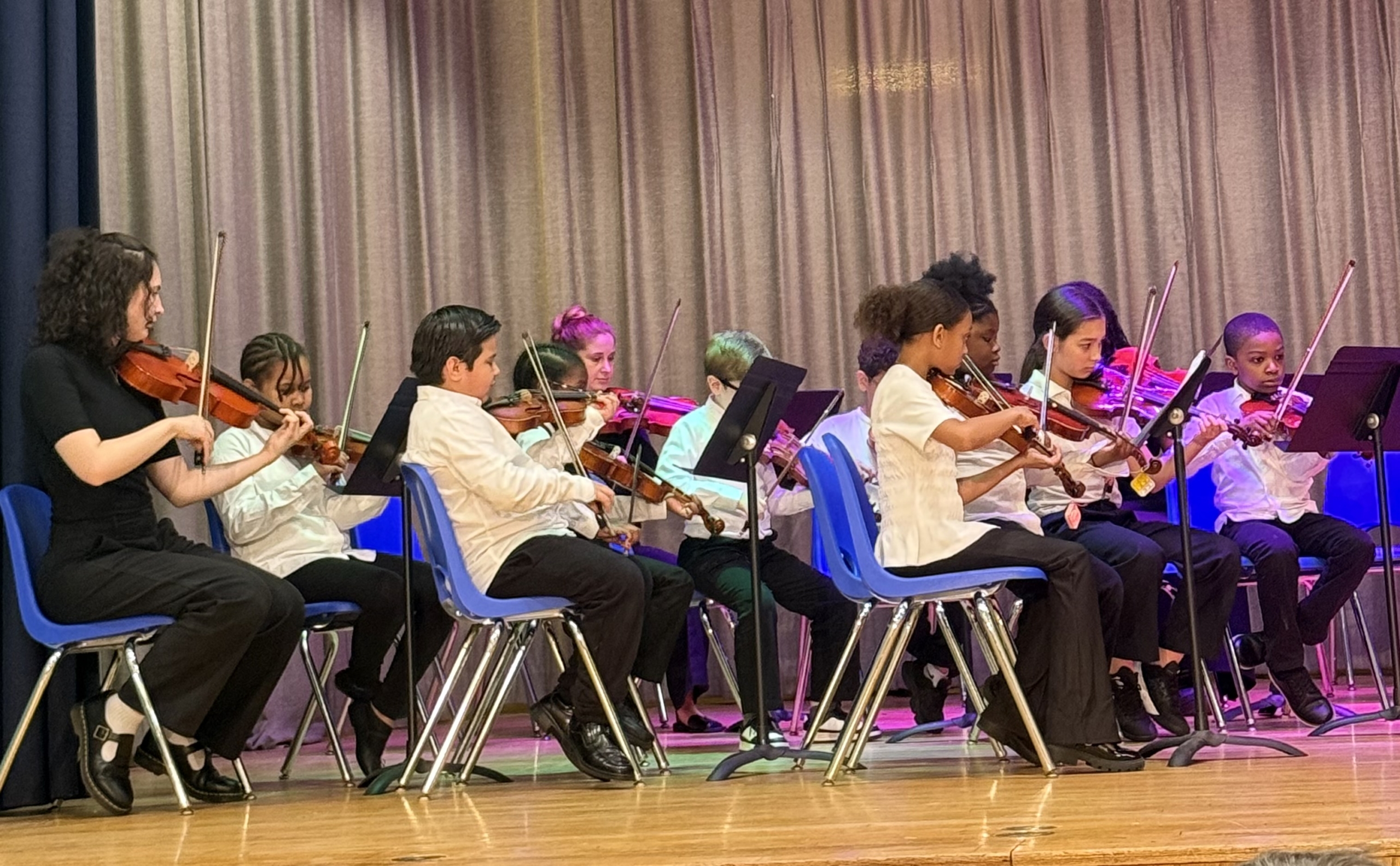
Among those helping guide students along that journey is Elisa Mingo, viola faculty member with the program. She spoke proudly of her students and the work they have put in over the course of the year. Teaching young musicians requires patience, consistency, and encouragement, but seeing students develop both musically and personally makes the experience deeply rewarding.

One of the most remarkable aspects of Youth Orchestra of St. Luke’s is the pathway it creates for continued musical growth. While students begin by receiving instruction at their individual schools, those who wish to expand their experience after their first year can join ensemble opportunities at the DiMenna Center for Classical Music.
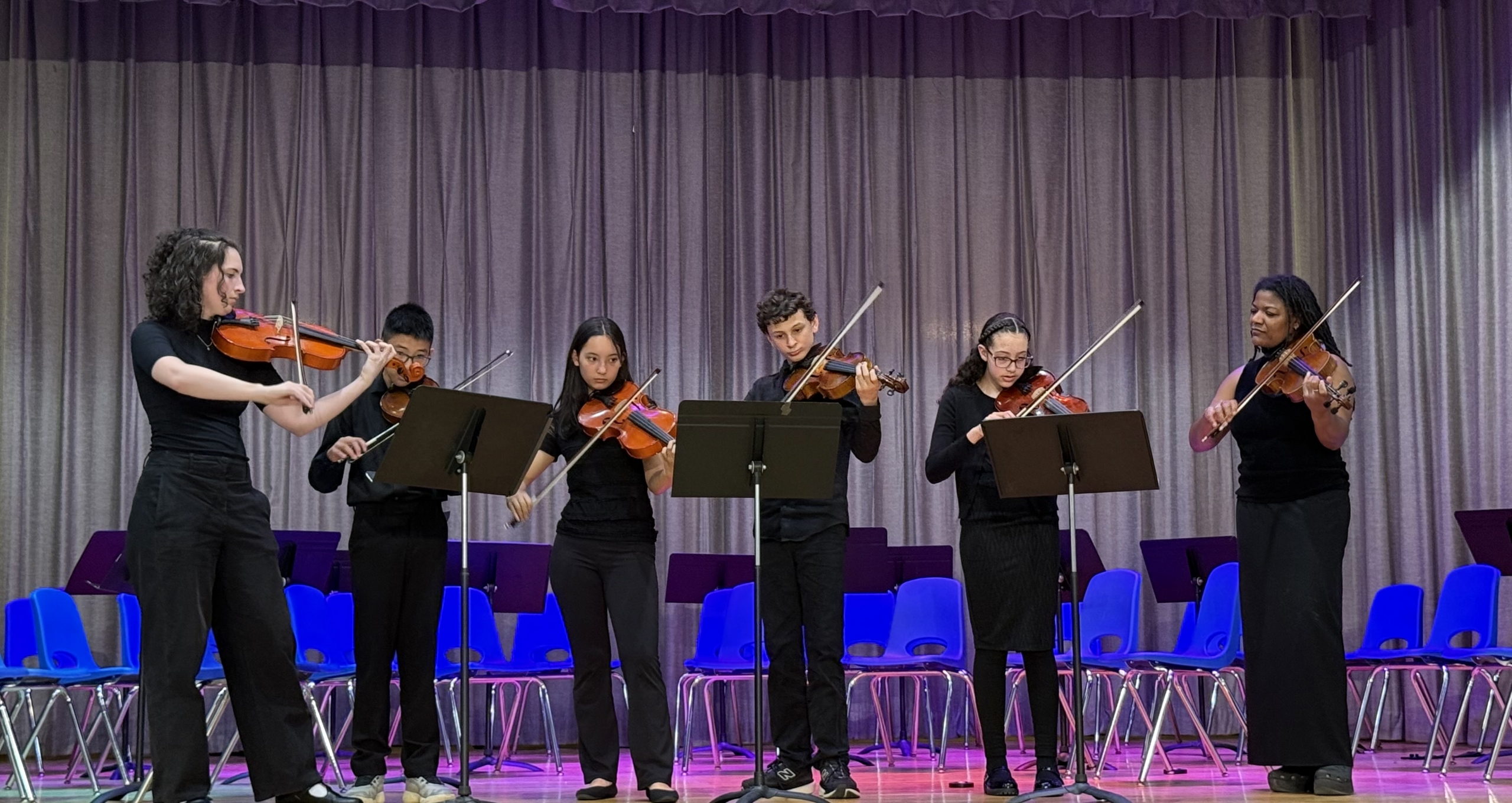
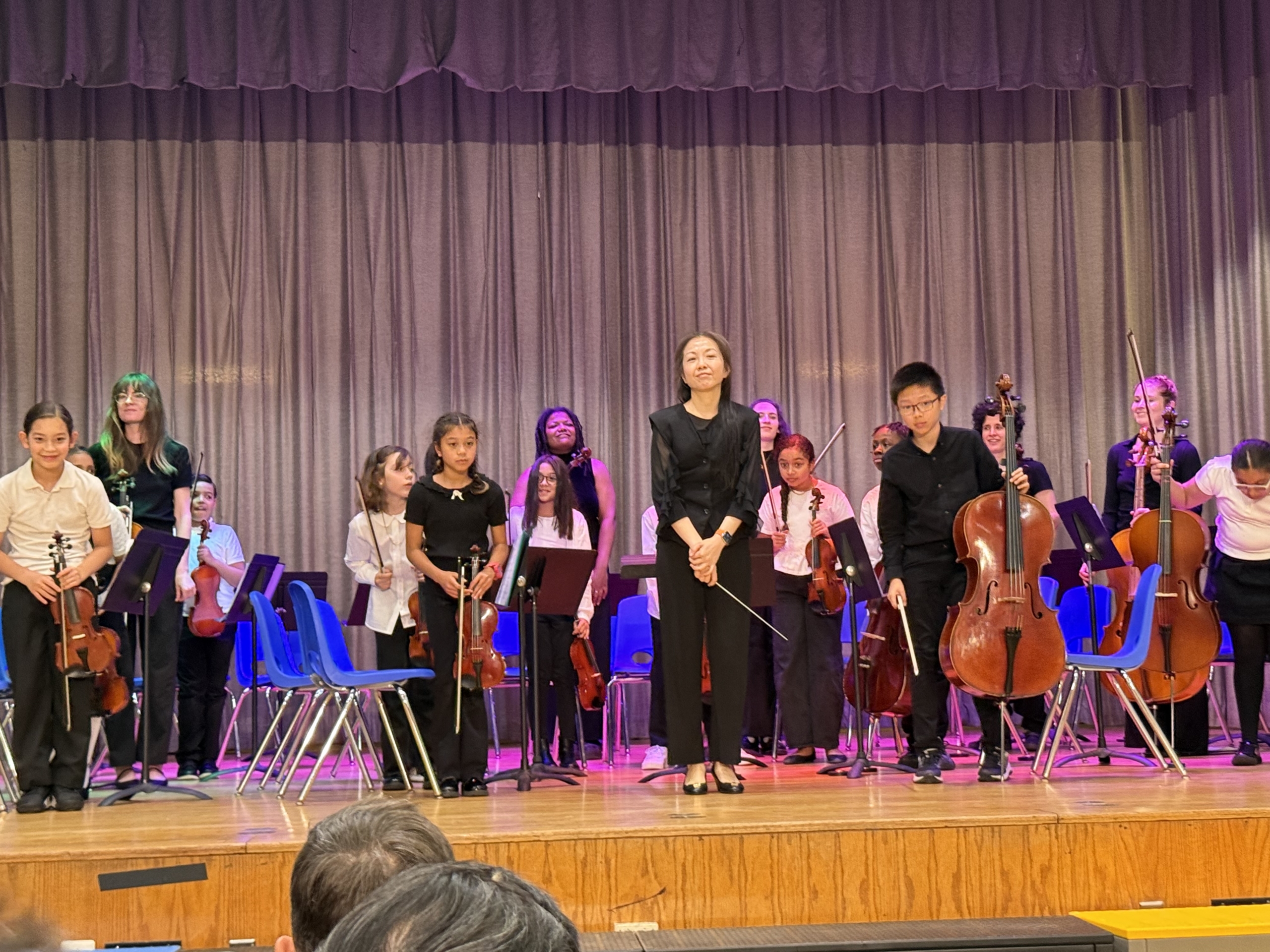
Several of those students also performed during Saturday’s recital as members of the Tutti Ensemble, one of the program’s orchestral groups. Under the direction of Dr. Yuting Wu, conductor of the Tutti Ensemble and cello faculty member, students learn the art of performing as part of a larger ensemble, developing listening skills, musical collaboration, and greater artistic confidence. The ensemble serves as an important bridge between school-based instruction and more advanced orchestral experiences.
Beyond Tutti, students may continue advancing through additional ensemble opportunities, including the De La Bruyère Youth Symphony, creating a musical pathway that extends well beyond elementary school and allows young musicians to remain connected to the Orchestra of St. Luke’s community as they grow.
Parents interviewed after the concert repeatedly expressed gratitude for the program and the opportunities it provides. Several noted that access to high-quality music instruction can often be expensive and out of reach for many families. The fact that students can receive professional instruction, participate in performances, attend cultural events, and gain exposure to world-class musicians at no cost makes the program particularly valuable.
Yet perhaps the most powerful measure of the program’s success was visible on stage. There were nervous smiles, concentrated faces, careful bow movements, and moments of unmistakable pride as students performed before a full audience. Some were playing in public for the first time. Others had been part of the program for years. Together, they demonstrated not only musical ability but also confidence, discipline, teamwork, and perseverance.
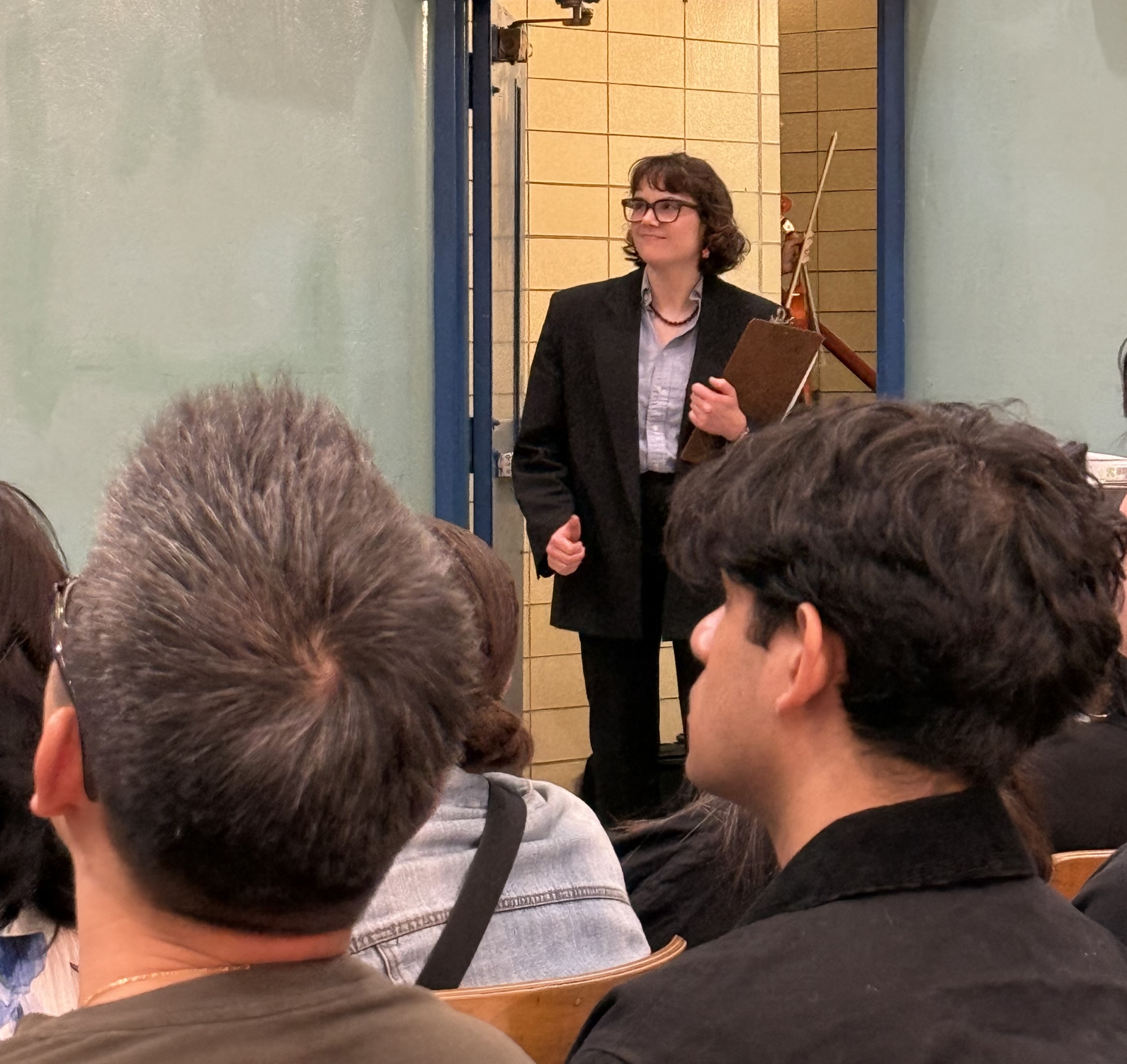
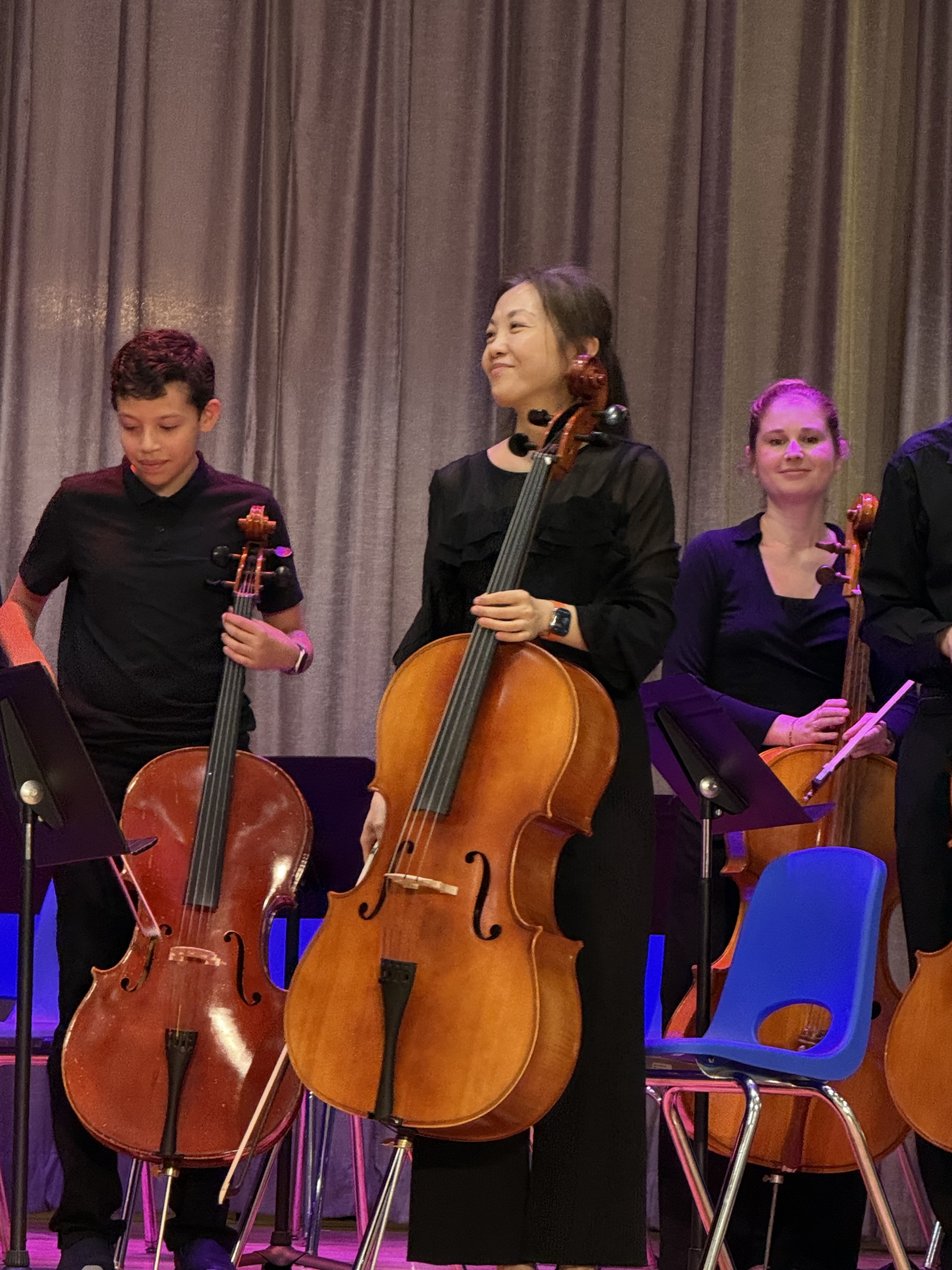
As the final applause echoed through the auditorium, the Spring Recital served as a reminder that arts education is about far more than learning notes and rhythms. It is about creating opportunities, building community, and helping young people discover what they are capable of achieving.

For one afternoon in Hell’s Kitchen, that achievement was on full display.

The Killing of Iryna Zarutska

Killing of Iryna Zarutska: violence, racism, and the silence around Us

A death that should haunt us all

I’ve seen too much online to think that a single video could still shake me. But the footage of Iryna Zarutska’s final moments did. She was just minding her business on a train, when her life was suddenly stolen. The way she looked up at her attacker in shock and fear, the way she clutched herself and cried into her hands while people sat around in silence. The scene broke something in me.

She didn’t die instantly. She bled, terrified, as if waiting for someone, anyone, to acknowledge her humanity. But no one did. Men and women sat feet away, eyes glued to their phones, unwilling to lift a finger. Some even stood up and walked past her without so much as a glance. That image of indifference in the face of dying haunts me as much as the attack itself.

And what makes it unbearable is knowing she had fled a war in her homeland, only to be killed in a place where she thought she might find safety. The cruelty of that irony is almost too much to bear.

The tired excuse of “mental illness”

We’ve all heard it before: the attacker was “mentally ill.” I reject that explanation outright. Evil is not a medical condition. When someone has been arrested fourteen times for violent behavior and is still walking the streets, that’s not about health. It’s about a broken justice system.

North Carolina had the chance to keep this man contained, but instead, he was free to take a life. And he’s not the only one. Just months ago, another repeat offender killed three people in New York without provocation. How many times must we read the same headline before we admit that this pattern of leniency is a policy failure? A society that values excuses over accountability is a society that chooses predators over victims.

When racism finds its opportunity

As if her death wasn’t painful enough, the aftermath was poisoned further by the reaction online. Scroll through the comments under censored versions of the video and you’ll find an avalanche of racism:

  • “Survived war but not black America.”

  • “They should introduce white and black sections on public transport again.”

  • “These people were the worst purchase in American history.”

There are hundreds like these. One man commits a crime, and suddenly an entire race is on trial. Racists wait for these moments, lurking in the shadows, ready to seize on tragedy as their green light to spew hatred. They don’t care about Iryna, they don’t care about justice. They wait for moments like this, tragedies that should unite people in grief and outrage, and instead they twist them into weapons to validate their hate, to stigmatize, and feed their ideology.

As a Black woman, I cannot describe the exhaustion of watching this cycle. Racists grab onto the worst behavior of a single Black man and inflate it into a narrative about all Black people.We are not a monolith. We are not represented by the worst among us. And yet, the moment one of “ours” commits a horrific act, it’s suddenly open season. The hate pours out eager to say “See, we told you so.”

Our own responsibility

Still, the death of Iryna Zarutska forces hard questions within the Black community, too.We can’t keep pretending that violent criminals don’t come from our own community, or that every act of brutality can be explained away by “systemic racism.” That excuse is tired, and it hasn’t saved us.

The reality is that too many Black neighborhoods are ruled by fear. People are scared of their own neighbors, the very people we love to excuse. Why do the most successful Black families do is leave the hood? They don’t want to raise their kids around gangs, dysfunction, and violence. And let’s be honest: the danger is real, and denying it only makes it worse.

If we want progress, we’ve got to break the cycle ourselves. Stop glorifying thugs. Stop raising kids where crime is the soundtrack of daily life. Stop living off government scraps and calling it survival. That’s not “cheating the system.” That’s doing exactly what the system designed you to do: stay stuck, stay dependent, stay powerless.

We can’t rewrite slavery, but we sure as hell don’t need to keep reenacting its consequences. At some point, we have to choose a different path. One where our children inherit discipline, opportunity, and pride instead of excuses, poverty, and fear.

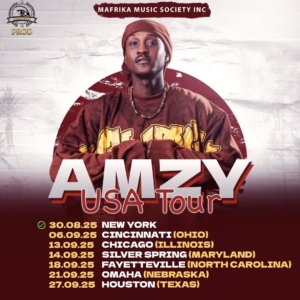
Amzy ouvre sa tournée américaine avec un concert mémorable à Manhattan

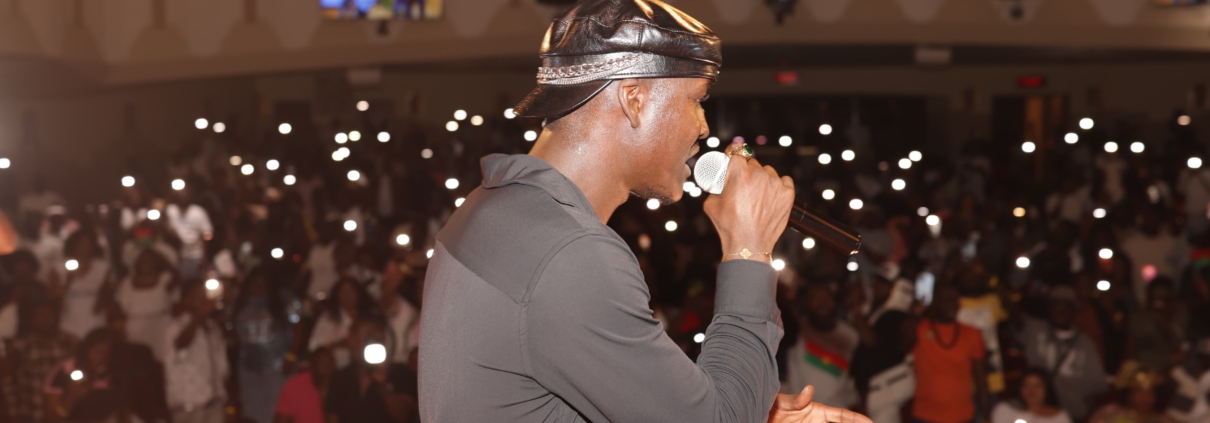
Ce samedi 30 août au Centennial Memorial Temple de Manhattan, le public burkinabè et les amoureux de musique africaine ont assisté à un moment historique : le tout premier concert d’Amzy aux États-Unis. Cet événement, qui marquait l’ouverture officielle de sa tournée américaine, a tenu toutes ses promesses. Plus qu’un simple concert, il a pris les allures d’une consécration.

Une salle comble et une communion patriotique

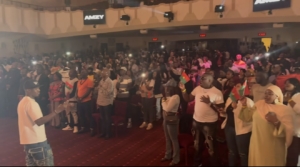
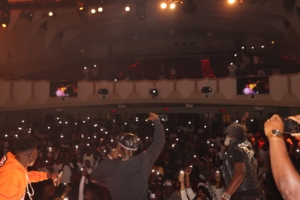
Dès les premières heures, le ton était donné : salle pleine à craquer, ferveur palpable. Le public, composé de fans venus de plusieurs États, attendait déjà l’artiste avec une impatience fiévreuse. La soirée s’est ouverte par des prestations d’invités qui ont préparé le terrain, avant que l’hymne national du Burkina Faso ne soit entonné par toute la salle. Un moment solennel, chargé d’émotion, ponctué d’une pensée collective pour la mère patrie, confrontée à de lourds défis sécuritaires

Avant même que ne retentissent les premières notes de musique, les musiciens d’Amzy de talentueux Burkinabè établis aux États-Unis se sont installés sur scène. Puis, une surprise a cueilli le public : une vidéo projetée en ouverture, où la voix grave et vibrante d’Amzy revenait sur la mémoire douloureuse des peuples noirs. Les images, crues et sans fard, retraçaient l’esclavage, la colonisation et l’exploitation, appelant à la dignité et à la résistance. Cette séquence a donné au concert une dimension mémorielle et militante, rappelant que l’art peut être un vecteur de conscience autant que de divertissement.

L’entrée du Gandaogo National

Et puis vint le moment tant attendu. Quand enfin retentit l’annonce d’Amzy, le public explose. Le Gandaogo national fit son entrée, porté par l’ovation d’une salle en ébullition. En guise d’ouverture, Amzy choisit M’ma guess fo biiga (“Maman, regarde ton fils”). Rien de plus symbolique pour ce moment unique : À New York la ville qui incarne le rêve américain, ce titre résonnait comme une consécration : un fils du Faso hissé sur l’une des plus grandes scènes du monde.


Un voyage musical riche en émotions

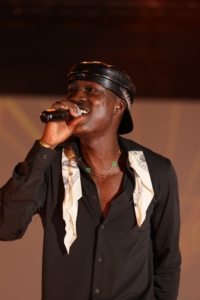
Le concert fut un véritable voyage, alternant entre mélancolie, énergie et fierté. Amzy a enchaîné plusieurs morceaux, chacun apportant une couleur et une émotion particulière. Il a su toucher les cœurs avec des titres intimistes comme Salop en version acoustique, faire monter l’adrénaline avec la puissance électrisante de Bolba, réveiller la nostalgie avec Na Gadamin, et enflammer la salle entière avec ses classiques incontournables tels que Wa Locké et Bienvenue à Ouaga, repris en chœur par un public en transe. Mais bien au-delà de ces morceaux phares, chaque chanson du répertoire proposé ce soir-là témoignait d’une richesse musicale et d’une authenticité qui ne laissent aucun doute : Amzy est un artiste qui refuse de se laisser enfermer dans un seul registre, et qui fait de la scène un espace de vérité et de communion.

Une fin qui annonce de grandes choses

À 23 heures, le rideau tomba. Le public, encore debout, en redemandait, mais comblé d’avoir assisté à un spectacle intense, généreux et historique. Pour un premier pas aux États-Unis, Amzy a fait bien plus que chanter : il a incarné une victoire, celle d’un artiste qui a réussi à transformer son parcours semé d’embûches en un cri de liberté universel.

La tournée américaine ne fait que commencer. Prochain rendez-vous : Cincinnati, Ohio, le 6 septembre 2025, où ses fans attendent déjà de communier avec lui.

Hier soir, à Manhattan, Amzy n’a pas seulement donné un concert. Il a écrit une page d’histoire pour lui-même, pour le Burkina, et pour toute une génération.