
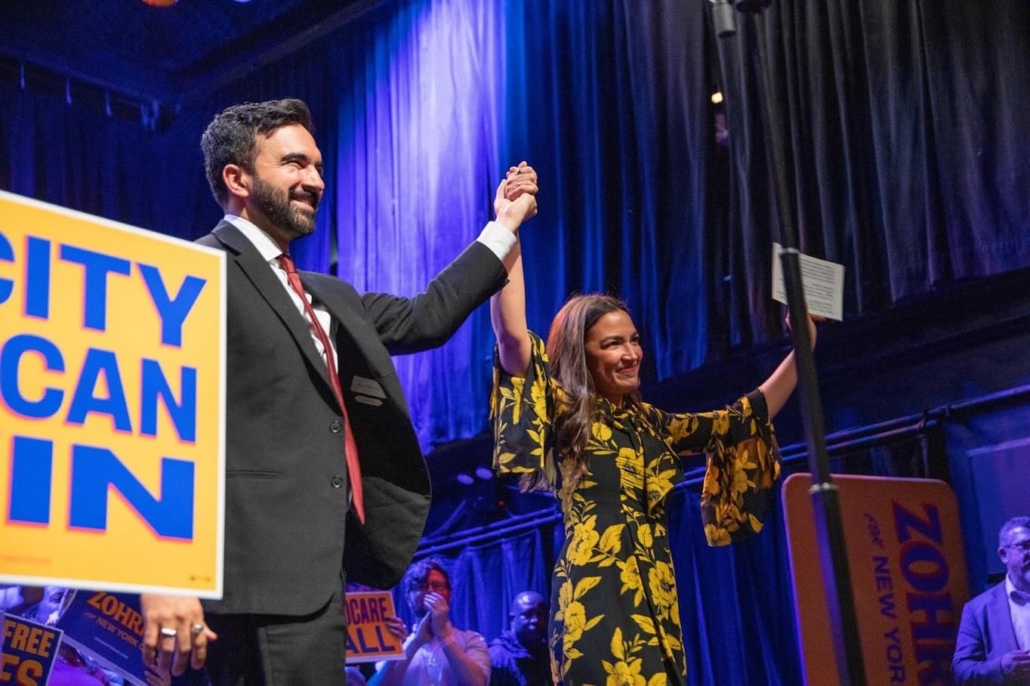
At Terminal 5, Mamdani and Ocasio-Cortez frame NYC Primary as a generational turning point
June 14 — New York
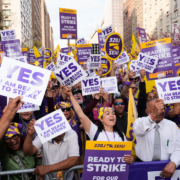
The line stretched down the block long before the doors opened. By early evening, Terminal 5 was packed wall to wall, balconies filled, supporters pressed shoulder to shoulder, and a live band playing from above as chants echoed through the venue. Even outside, the energy was electric.
On the first day of early voting in the June 24 Democratic primary, Assemblymember Zohran Mamdani rallied alongside Rep. Alexandria Ocasio-Cortez in what felt less like a routine campaign stop and more like a moment charged with national implications.
More than 2,500 people filled the West Side concert hall. Community leaders, labor organizers, elected officials and grassroots volunteers were present. The crowd skewed young but was diverse in age, race and borough representation. Many described themselves as working-class New Yorkers struggling with rent, childcare, transit costs and healthcare.
Ocasio-Cortez framed the mayoral race as a broader referendum on the direction of the Democratic Party. Without mincing words, she argued that the choice before voters represents a generational shift. She criticized what she called entrenched leadership and urged supporters not to rank former Gov. Andrew Cuomo on their ballots, positioning the contest as an opportunity to “turn the page” politically.
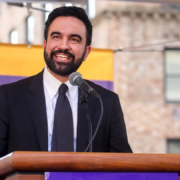
When Mamdani took the stage, the reception was thunderous. His speech was disciplined but emotionally resonant, centered on affordability, housing, labor rights and what he repeatedly called “the everyday New Yorker.” He leaned into his identity as a Muslim immigrant and democratic socialist, presenting it not as a liability but as evidence of a changing city.
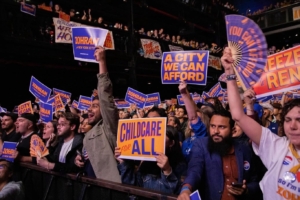
“We are building a movement that money cannot buy,” he said, referencing the influx of outside spending and recent endorsements for Cuomo from major business figures, including former Mayor Michael Bloomberg.
Mamdani urged attendees to volunteer and counter negative messaging in the final stretch before primary day. Speakers throughout the night echoed similar themes, including leaders from the Working Families Party and labor unions, who emphasized coalition politics and working-class solidarity.
What stood out in the room was not just applause lines, but conviction. The atmosphere felt organized, not chaotic. Strategic, not symbolic. There was choreography to the messaging and discipline in the turnout.
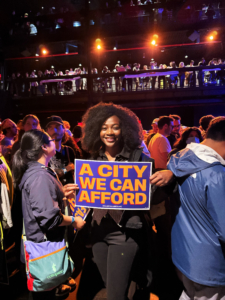
Whether that energy translates into votes remains to be seen. But on June 14, inside Terminal 5, it was clear that this mayoral primary has become more than a local contest. For many in that room, it felt like a statement about the future of power in New York — and perhaps within the Democratic Party itself.


Leave a Reply
Want to join the discussion?Feel free to contribute!